September 9th 2026
TMS and SPRAVATO® in Interventional Psychiatry: Building a More Flexible Depression Treatment Program

Interventional psychiatry is changing how clinics support patients with difficult-to-treat depression. Instead of relying on one pathway alone, many practices are building treatment programs that include medication-based options, neuromodulation, psychotherapy, and structured follow-up.
SPRAVATO® and transcranial magnetic stimulation (TMS), can both belong in this broader model of care. They are not the same treatment, and one does not automatically replace the other. They give clinicians different ways to respond when patients need options beyond conventional antidepressant therapy.
For clinics already offering SPRAVATO®, the next strategic question is often not “Which treatment is better?” A more useful question is: How can the clinic match the right treatment pathway to the right patient at the right time?
Depression care is moving toward treatment matching
Major Depressive Disorder can be clinically complex. Patients may differ in treatment history, symptom profile, medication tolerance, comorbidities, access needs, and preferences.
That variation matters. A patient who is open to a supervised medication-based treatment may not have the same needs as a patient who strongly prefers a non-pharmacological approach. A patient who can arrange post-treatment transportation may not face the same practical barriers as a patient who needs to return to work or daily responsibilities after each visit.
A flexible depression program allows clinicians to evaluate these differences instead of forcing every patient into the same pathway.
TMS and SPRAVATO® answer different clinical and practical needs
SPRAVATO® is a medication-based treatment administered under medical supervision. It has its own prescribing information, monitoring requirements, and patient eligibility considerations.
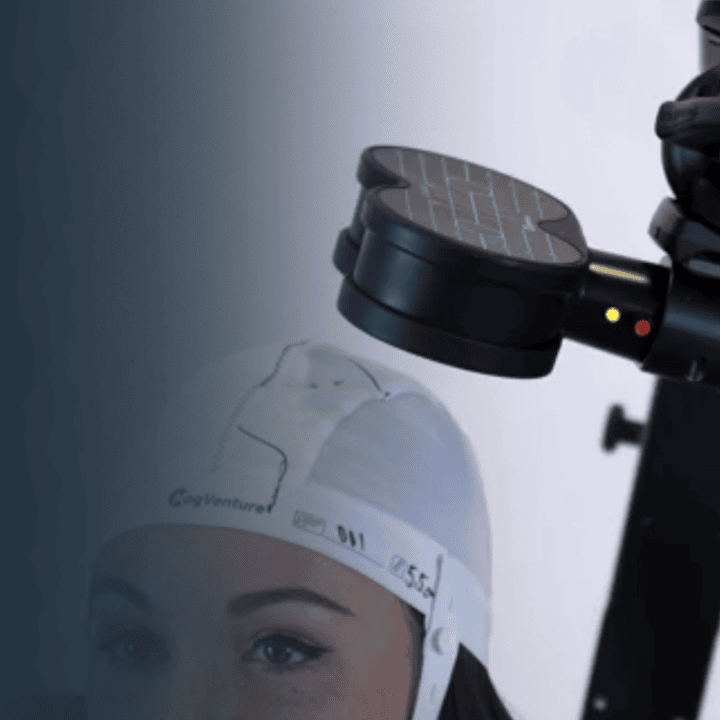
TMS is a device-based neuromodulation treatment. It uses magnetic fields to induce electrical currents directed at regions of the cerebral cortex. The MagVenture TMS Therapy® System is indicated for the treatment of Major Depressive Disorder in adult patients who have failed to receive satisfactory improvement from prior antidepressant medication in the current episode.
The distinction is important. TMS does not rely on systemic antidepressant drug exposure during the treatment session. It is non-invasive and sessions are commonly delivered several times per week over a multi-week course.
Different treatment pathways
The strongest evidence-aware message is that SPRAVATO® and TMS can exist within the same interventional psychiatry program as different treatment pathways. A clinic may offer both, but patient selection should remain individualized and based on clinical evaluation, diagnosis, treatment history, contraindications, payer requirements, and professional judgment.
Where TMS may fit in a SPRAVATO® clinic
A SPRAVATO® clinic already understands many of the realities of treating patients with difficult-to-treat depression. The team may already have experience with structured visits, patient monitoring, documentation, prior authorization, referral management, and outcome tracking.
That foundation can make TMS easier to integrate than it would be for a clinic starting from zero. Campaign materials for this use case identify several existing strengths in SPRAVATO® practices, including clinicians experienced in treatment-resistant depression, patients seeking alternatives to standard medications, staff who understand prior authorization and outcome monitoring, established referral relationships, and workflows for recurring treatment visits.
TMS may also address different practical needs within the same patient population. For example, some patients may prefer a non-pharmacological option TMS may also address different practical needs within the same patient population. For example, some eligible patients may prefer a non-pharmacological treatment option. TMS provides clinics with another treatment pathway for eligible patients with MDD, with treatment selection based on individual clinical evaluation.
What clinics should prepare before adding TMS
Adding TMS is a clinical, operational, and business decision. A strong implementation plan should include staff training, treatment room planning, patient education, referral communication, reimbursement workflows, and outcome monitoring.
Treatment delivery also requires attention to protocol selection, stimulation parameters, motor threshold determination, patient selection, and ongoing assessment. TMS treatment courses commonly involve repeated sessions over several weeks.
For many clinics, the goal is not simply to add another device. The goal is to create a reliable care pathway that clinicians, staff, referring providers, and patients can understand.
The role of MagVenture TMS
MagVenture supports clinics with TMS systems, coils, workflow planning, team training, and implementation guidance. For a clinic already offering SPRAVATO®, this support can help translate existing interventional psychiatry experience into a structured TMS service line.
The goal is not to replace one treatment with another. The goal is to help clinics expand their ability to evaluate patients and offer another appropriate treatment pathway when clinically indicated.
Talk to a TMS Specialist
Adding TMS to a SPRAVATO® clinic requires clinical, operational, and workflow planning.
Speak with a MagVenture TMS Specialist to discuss your patient population, treatment goals, system options, training needs, and implementation plan.
FAQ
Can SPRAVATO® and TMS be offered in the same clinic?
Yes. They are different treatment pathways and may both be offered when appropriate. Treatment selection should be based on patient eligibility, clinical evaluation, and professional judgment.
Is TMS a medication?
No. TMS is a device-based neuromodulation treatment. It uses magnetic pulses to stimulate targeted brain regions involved in mood regulation.
Is TMS FDA-cleared for depression?
The MagVenture TMS Therapy is indicated for the treatment of Major Depressive Disorder in adult patients who have failed to receive satisfactory improvement from prior antidepressant medication in the current episode.
Does TMS require anesthesia or sedation?
Like SPRAVATO®, MagVenture TMS does not require anesthesia as part of treatment administration.
Should clinics claim that SPRAVATO® and TMS work better together?
No. SPRAVATO® and TMS can both be part of a broader interventional psychiatry program, with treatment selection based on individual clinical evaluation.
Compliance note
SPRAVATO® is a registered trademark of Janssen Pharmaceuticals, Inc. MagVenture is not affiliated with or endorsed by Janssen Pharmaceuticals, Inc.
The MagVenture TMS Therapy System is indicated for the treatment of depressive episodes and for decreasing anxiety symptoms for those who may exhibit comorbid anxiety symptoms in adult patients suffering from Major Depressive Disorder (MDD) and who failed to achieve satisfactory improvement from prior antidepressant medication treatment in the current episode.