April 28th 2026
Adding Transcranial Magnetic Stimulation to Your Practice

Why High-Quality TMS education matters
As Transcranial Magnetic Stimulation (TMS) becomes increasingly integrated into modern neuropsychiatric care, more clinics are exploring how to implement this evidence-based treatment safely, effectively, and sustainably. Adding TMS to a practice is not only about acquiring the right TMS technology – it is equally about ensuring clinicians and operators receive the right education ensuring safe and effective treatments.
What is TMS and why does training matter?
Transcranial magnetic stimulation (TMS) is a non-invasive neuromodulation technique that uses magnetic pulses to stimulate targeted brain regions. It is widely used in psychiatry, neurology, and rehabilitation, with growing international adoption supported by expanding clinical evidence and regulatory approvals.
Because TMS treatment outcomes depend on correct patient selection, accurate targeting, TMS protocol selection, safety screening, and consistent treatment delivery, education plays a central role in clinical success.
Getting Started: initial training and clinical support
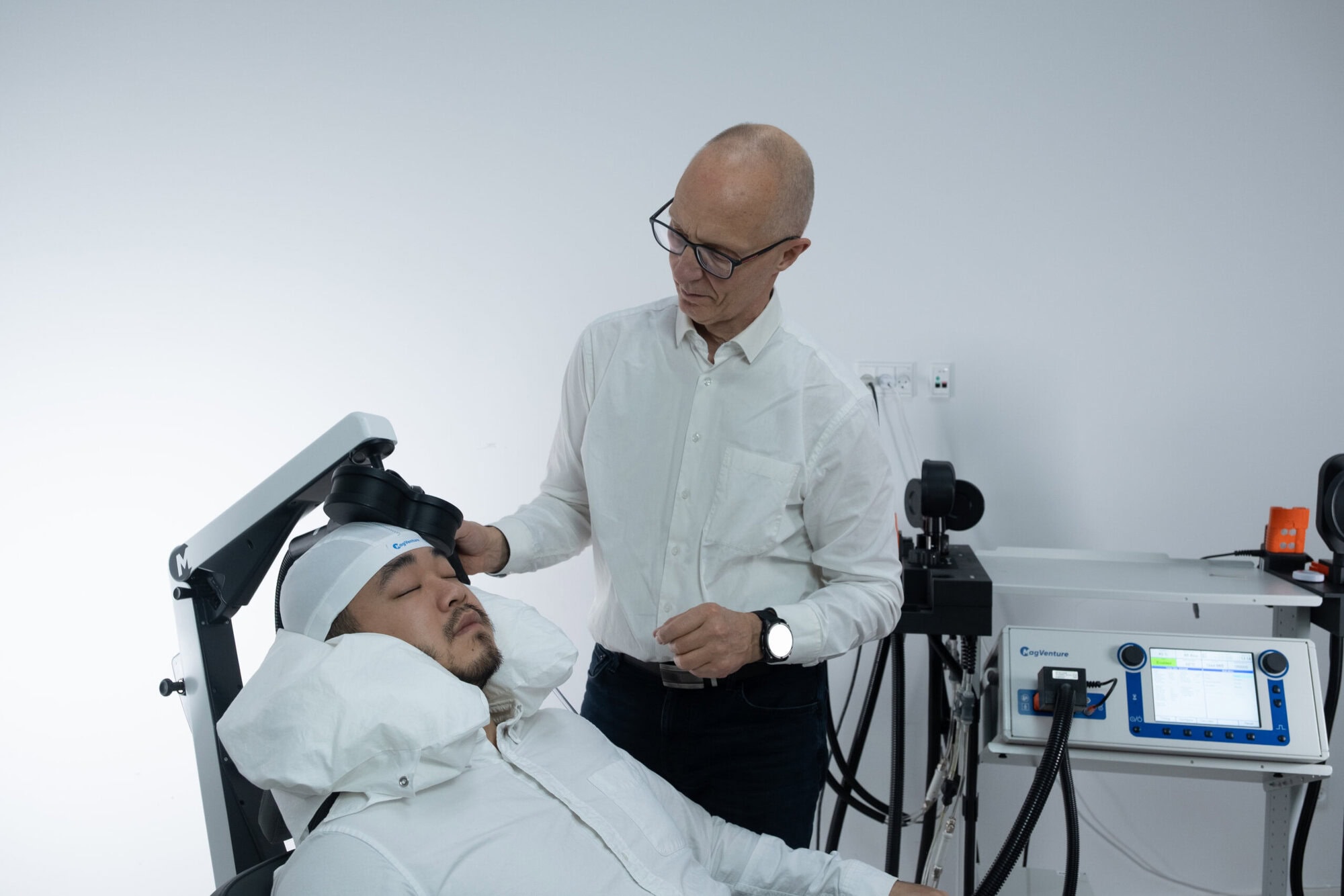
MagVenture systems include installation and foundational training, enabling clinicians to begin using magnetic stimulation systems in accordance with intended use and safety guidelines.
MagVenture magnetic stimulators are designed for non-invasive stimulation of the brain and nervous system, supporting both diagnostic and therapeutic applications depending on regulatory clearance.
For many clinicians, this initial onboarding represents the first step, rather than the full educational journey. As with many advanced medical technologies, deeper expertise comes through continued professional education.
Why clinicians benefit from formal TMS training and certification courses
Structured TMS training courses help clinicians move beyond basic device operation toward confident, evidence-informed practice.
Key benefits often include:
- Understanding the neurophysiology and network effects behind stimulation
- Learning which evdience-based TMS protocol to use for which application
- Understanding how protocol parameters influence outcomes
- Improving confidence in motor thresholding and coil positioning
- Standardizing treatment delivery across teams
- Strengthening patient safety procedures and screening processes
- Staying aligned with current international standards and latest developments
As the science of repetitive TMS (rTMS) continues to evolve, clinicians who invest in education are often best positioned to deliver consistent, high-quality care.
What to look for in a High-Quality TMS certification program
Not all TMS education pathways are the same. The strongest programs typically combine scientific rigor, practical relevance, and flexible learning formats. The key differentiator is the experience and quality of the course faculty and instructors.
Important features may include:
- Comprehensive theoretical foundations
- Hands-on practical training
- Real-world clinical case discussions
- Evidence-based treatment protocols
- Updates on new indications and emerging research
- Ongoing professional community access
For busy clinicians, flexibility is also increasingly important – particularly the ability to choose between onsite immersive training and online learning pathways.
The Academy of Brain Stimulation: A global ecosystem of accredited TMS education
TMS education is supported by an international network of academic institutions, clinical experts, and training organizations. One leading example is The Academy of Brain Stimulation, led by Prof. Dr. Alexander T Sack and his international faculty of world renowned exoerts.
The Academy of Brain Stimulation (AoBS) has developed a globally recognized TMS certification ecosystem designed for clinicians at different stages of experience – from first-time adopters to advanced practitioners seeking refinement or re-accreditation.
These courses are Internationally Accredited, Globally Recognized, Clinically Trusted.
- EACCME®-accredited (CME credits)
- Internationally recognised Clinical TMS Certification
- Endorsed by leading international TMS societies
- 20+ years of excellence – training 2,500+ clinicians across 80+ countries
- Comprehensive 14-module curriculum covering clinical protocols in psychiatry, neurology, and rehabilitation
- Small, interactive groups with direct supervision and real-time clinical feedback
- Theory and Hands-on training with leading international experts
- Device-independent training across major TMS systems
- Used by leading TMS clinics and universities
For more than two decades now, the Academy of Brain Stimulation (AoBS) has delivered world-class, evidence based, and internationally recognized education and certification in Transcranial Magnetic Stimulation (TMS), empowering clinicians, researchers, and technicians worldwide to deliver safe, effective, and up-to-date TMS treatments.
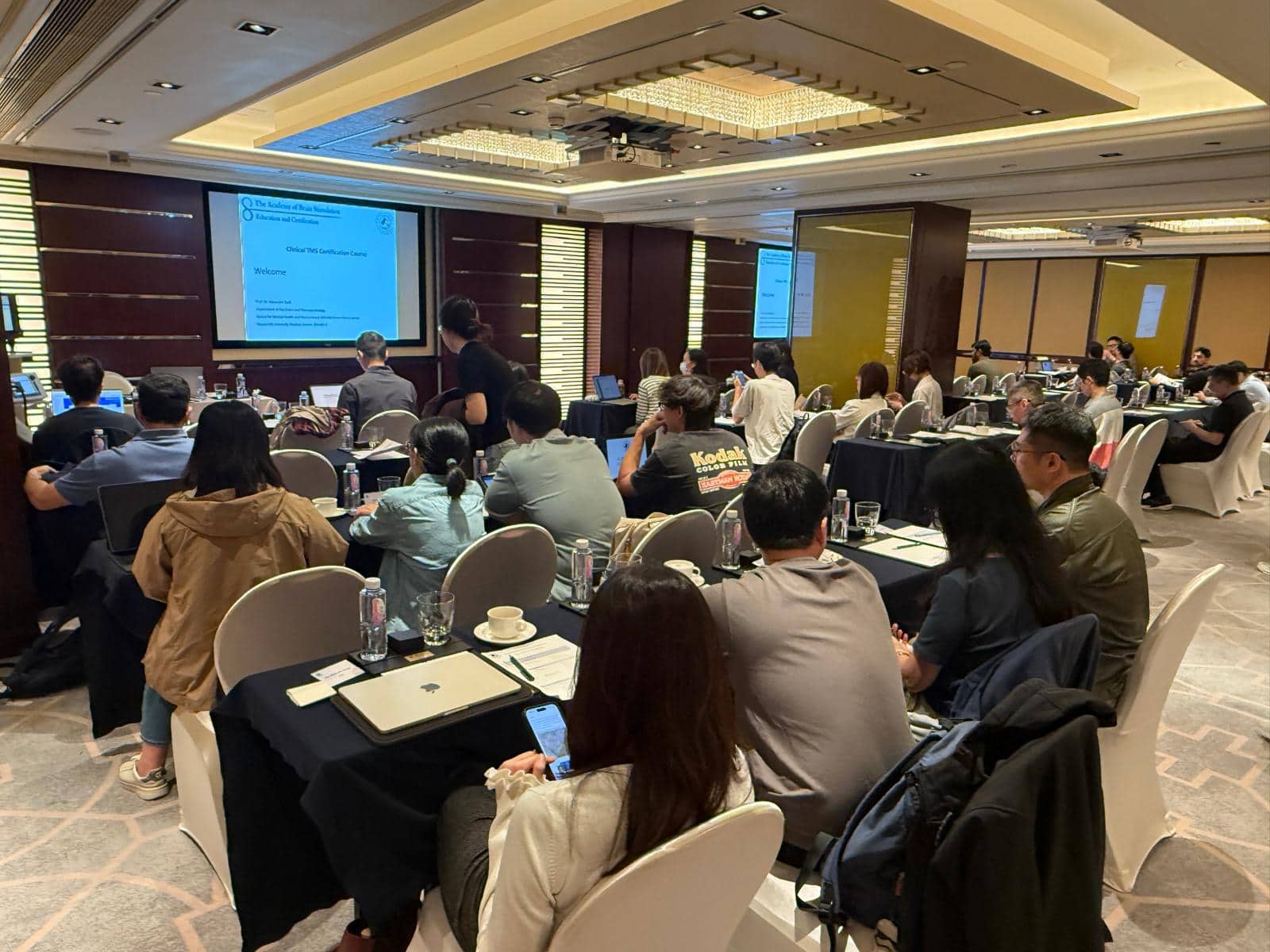
AoBS accomplishes this through a unified educational ecosystem consisting of its accredited flagship in-person International Clinical TMS Certification Courses, its accredited multi-language On-Demand Online TMS Certification Program, and its continuous academy membership program.
Its programs are notable for combining:
- Intensive onsite hands-on training programs
- Self-paced online multi-language certification courses
- International expert faculty
- Practical implementation guidance for clinics
- Membership pathways with ongoing educational updates
- Refresher and re-certification opportunities for experienced providers
This combination allows clinicians to learn in a format that suits their schedule while maintaining high academic and clinical standards.
Why Re-accreditation and refresher education matter
TMS is a fast-moving field. New protocols, targeting strategies, accelerated schedules, and personalization approaches continue to emerge.
In many areas of medicine, re-certification and continuing education are standard practice. The same logic increasingly applies to TMS: clinicians benefit from periodic updates to remain aligned with current evidence and best practice.
Programs offering theory refreshers, protocol updates, and advanced modules can help experienced providers continue to grow without repeating introductory training.
Technology and education: a strong partnership
MagVenture has played an important role in advancing global access to TMS technology for more than three decades. Through collaboration with clinicians, researchers, and educators, companies like MagVenture help strengthen the broader neuromodulation ecosystem.
When advanced technology is paired with excellent training, clinics are better equipped to deliver safe, scalable, and effective TMS services.
Taking the next step
For clinicians considering adding TMS to practice, a thoughtful pathway may include:
- Selecting a trusted TMS technology partner
- Completing industry-specific foundational system onboarding
- Pursuing structured certification training as offered by the AoBS
- Joining an active professional learning community
- Continuing education as the field evolves
As demand for non-invasive brain stimulation continues to grow, clinics that prioritize both technology and education may be best positioned for long-term success.
Continue your learning journey: